

A space that restores coherence.
20 YEARS OF EXPERIENCE
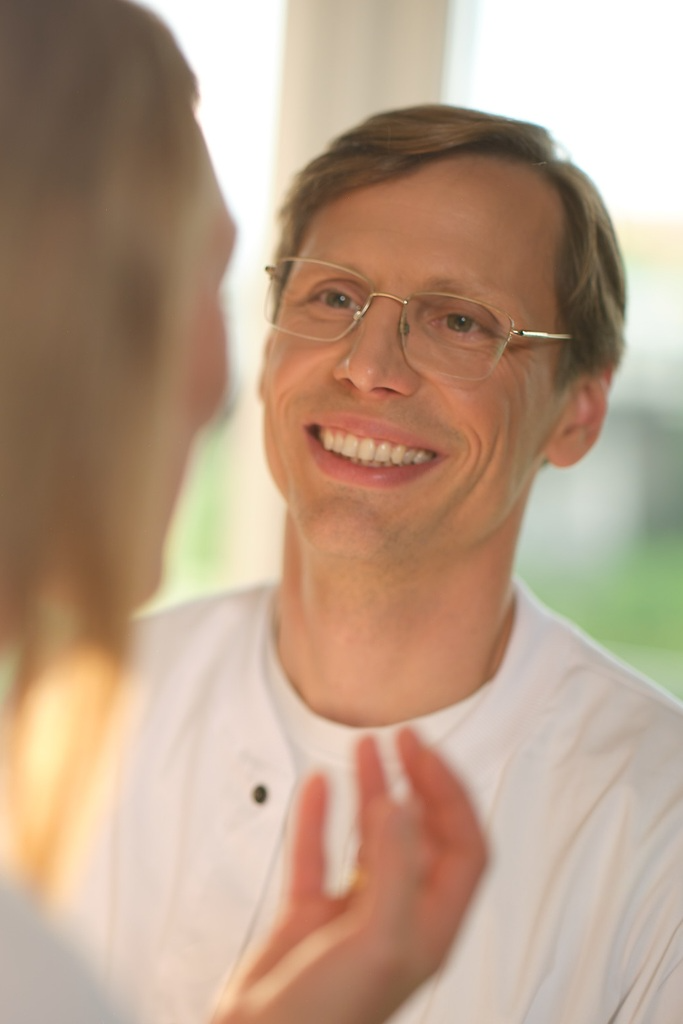
Founder of 2B1
WELCOME TO PROMENADA
We combine professional clinical practice with mindful presence.
Osteopathy, therapeutic massage, reflexology, and lymphatic drainage for people experiencing pain, tension, stress, overwhelm, physical overload, or a need for deep restoration.
Promenada is a space that supports self-regulation, helps rebuild trust in your body, and allows for a deeper connection with yourself.
This space is for you if you are experiencing…
- back, neck, head, or joint pain
- chronic tension, overload, stress or fatigue
- difficulty calming the system
- swelling and heaviness in the body
- a need for gentle restoration and calm, mindful care
APPROACH
Health is not fragmented.
The body, nervous system, movement, breath, emotions, and daily rhythms form an inseparable whole. That is why, at Promenada, we do not look at a person only through the lens of a single symptom.
Whether you choose osteopathy, massage, reflexology, or lymphatic drainage, each form of bodywork engages with the nervous system and supports its regulation. They differ, however, in their purpose, depth of assessment, and type of therapeutic input.
OFFER
Not sure where to start?
We will help you choose the right direction during your first diagnostic visit.
Osteopathy
Osteopathy is a distinct healthcare discipline and a whole-person approach to health. It is neither massage nor physiotherapy. It has its own system of clinical reasoning, assessment, diagnosis, and bodywork.
Choose this form of care if you need a comprehensive assessment of how your body functions, support in finding the root cause of pain, and work with deeper interconnections within the body, including movement, posture, and relationships involving the internal organs.
Therapeutic massage
Focused work with muscles and fascia. Choose this if you need relief from physical overload, reduced fatigue, and deep relaxation.
Reflexology
Calm, precise work with reflex areas (primarily on the feet). Choose this if you are seeking relaxation, support for regenerative processes, and gentle stimulation of the nervous system.
Lymphatic drainage
Gentle, rhythmic therapy supporting fluid movement in the body. A good choice for people who need the softest form of contact, support with swelling, and a restored sense of lightness.
THE PROCESS
The first visit is calm and clearly structured:
We talk about your symptoms, health history, and needs.
We observe the body, areas of tension, movement, and nervous system responses.
We choose the most suitable form of care: osteopathy, therapeutic massage, reflexology, lymphatic drainage, or a combined approach.
After the session, we discuss the next direction of therapy without pressure or rigid protocols.
years of experience
For your well-being and needs
My experience
Akademia Promenada
More about me

Maciej Sędłak is an osteopath registered with the General Osteopathic Council (GOsC), practising in both London and Poland. He combines experience gained in emergency and urgent care settings with osteopathy, reflexology, bioenergy therapy, and many years of therapeutic practice.
His early work in emergency care gave him direct insight into how the human body functions under load — physically, emotionally, and physiologically. Over time, this led him to seek deeper answers to important questions: what helps the body return to balance, regain a sense of safety, and move beyond established patterns of pain, stress, and disconnection from oneself?
His clinical approach is rooted in osteopathy, reflexology, and bioenergy therapy — disciplines that have shaped the way he understands the body: both as a physical structure and as a highly sensitive, adaptable system. Alongside his clinical education, Maciej draws inspiration from wisdom traditions and indigenous ways of understanding health and healing: seeking the root causes of imbalance, rebuilding the relationship with one’s own body, and seeing health as something supported by our connection with nature, community, and life itself.
This perspective enriches his work with structure, movement, touch, regulation, and conscious presence, while keeping it firmly grounded in clear clinical thinking and deep respect for each person’s individual story.
Rather than seeing the body as a mechanical arrangement or a collection of isolated symptoms, Maciej understands it as a living system shaped by experience, stress, emotions, movement, environment, and relationships.
At the core of his work lies a simple intention: to help people suffer less, understand themselves more deeply, and feel more connected with their body, health, and life.
ABOUT ME & ECOSYSTEM
Founder & The Promenada Ecosystem
Holistic approach
DSALT™ & 2B1™
Reviews
What others say?
FAQ
Frequently asked questions
Osteopathy & OsteoAlign™ Method
What is osteopathy?
Osteopathy is a hands-on, whole-person approach that looks at how your body moves, compensates and adapts. At Osteopatia Promenada, we assess posture, joints, muscles, fascia and nervous-system tone to understand the likely root cause of your symptoms and support better movement, recovery and self-regulation. Because osteopathic examination and treatment use skilled touch and manual techniques, direct physical contact is normally required for hands-on work and will only take place with your consent.
What can osteopathy help with?
Osteopathy may help people with musculoskeletal pain and functional problems such as back or neck pain, tension-related headaches, joint stiffness, sports overload, posture-related strain and reduced mobility. We also consider stress, breathing, workload, sleep and daily habits, because the body works as one connected system.
Is osteopathy suitable for children and older adults?
It can be suitable when the approach is adapted. Babies, children, adults and seniors are assessed individually, with gentle techniques, consent and clear safety screening. If symptoms suggest that medical care is needed, we will advise you to contact a doctor.
How long is an osteopathy session?
The first OsteoAlign™ osteopathy visit is usually around 55 minutes, follow-up osteopathy is around 40 minutes, and extended osteopathy sessions may be 85 minutes. The session includes conversation, assessment, treatment and simple recommendations.
Do I need a GP referral for osteopathy?
Usually no. You can book directly. However, if you have new, severe, unexplained or worsening symptoms, recent trauma, neurological signs, fever, unexplained weight loss or serious medical concerns, contact your doctor first or seek urgent care.
Will osteopathy hurt?
The aim is not to force the body. Most techniques are comfortable or create a ‘good stretch/release’ feeling. Some people feel mild soreness, tiredness or increased awareness of treated areas for 24–48 hours; this usually settles. Tell us at any time if something feels too strong.
How many osteopathy sessions will I need?
It depends on your history, the likely cause, tissue state, stress load and goals. Some acute problems improve quickly, while long-standing patterns often need a short plan and self-care between visits. After assessment, we will explain the most realistic next step.
Can osteopathy help with stress and tension?
Osteopathy does not treat stress as a disease, but it can support the body when stress appears as muscle tension, shallow breathing, jaw or neck tightness, and poor recovery. We work gently with tissues, breath, movement and nervous-system regulation to help you return toward balance.
Can I keep training while receiving osteopathy?
Often yes. The goal is not to stop life, but to adjust load wisely. We may suggest temporary changes to intensity, technique, recovery, mobility or breathing so training supports healing instead of reinforcing overload.
Is osteopathy covered by insurance?
Insurance rules vary by country and provider. Please check your policy before booking and ask us what information you need for reimbursement. This FAQ should not be read as a guarantee of cover.
Reflexology & Nervous-System Support
What is therapeutic reflexology?
Therapeutic reflexology uses skilled pressure on reflex areas of the feet, hands or ears to encourage relaxation, body awareness and regulation. In our approach, it complements osteopathy by supporting the nervous system and the body’s natural capacity to settle.
What are the potential benefits of reflexology?
Many people choose reflexology for relaxation, stress relief, sleep support, grounding, circulation awareness and general wellbeing. It is a complementary therapy, so we avoid promising cures; we focus on how your body responds and what feels meaningful for you.
Can reflexology help anxiety?
It may help some people feel calmer and more grounded, especially when anxiety is connected with tension, poor sleep or feeling overstimulated. It should not replace psychological or medical care when anxiety is severe, persistent or unsafe.
Is reflexology safe in pregnancy?
Reflexology can be gentle in pregnancy when the session is adapted. Please tell us how many weeks pregnant you are and mention any complications, bleeding, high blood pressure, pain or medical advice before treatment.
How often should I have reflexology?
For active stress or tension patterns, weekly sessions for a short period may help you notice changes. For maintenance, many people choose monthly or seasonal sessions. We will adjust the rhythm to your body, budget and goals.
Can reflexology support headaches?
It may support relaxation of the nervous system and reduce tension around the head, jaw, neck and shoulders. Sudden, severe, unusual or neurological headaches should be checked medically before complementary care.
Will reflexology hurt?
It should not be painful. Some reflex areas may feel tender, but pressure is always adapted. Tenderness is treated as feedback from your body, not as a diagnosis.
How long is a reflexology session?
The therapeutic reflexology session listed for Osteopatia Promenada is around 55 minutes. You remain clothed; only shoes and socks are removed for foot work.
Can reflexology support digestion?
Some people use reflexology to support relaxation and parasympathetic ‘rest-and-digest’ tone. Digestive symptoms that are severe, persistent, worsening, associated with bleeding, weight loss or fever should be assessed medically.
Do I undress for reflexology?
No. For foot reflexology, you only remove shoes and socks. Wear comfortable clothing so you can relax fully.
Biopatia™ Energetyczna & Complementary Care
What is Biopatia™ Energetyczna / bioenergy therapy?
It is a gentle, non-invasive complementary session using calm presence, focused intention and hands-on or hands-near-the-body work. At Osteopatia Promenada, it is framed as support for relaxation, emotional balance and inner stillness, not as a replacement for medical diagnosis or treatment.
How does bioenergy therapy work?
From a traditional energetic perspective, it aims to harmonise the body’s subtle field and support the person’s sense of wholeness. From a practical perspective, the quiet setting, attention, breath and therapeutic presence may help the nervous system settle. Individual experiences vary.
What can bioenergy therapy help with?
People often choose it when they feel stressed, depleted, emotionally overloaded, disconnected from the body or in need of gentle support during recovery. We avoid claiming it cures disease; it can sit alongside osteopathy, reflexology, psychology and medical care.
Is bioenergy therapy safe?
It is generally gentle because it does not involve manipulation. Still, please tell us about pregnancy, epilepsy, severe mental-health symptoms, active medical treatment, recent surgery or anything that makes you feel unsafe, so the session can be adapted or postponed.
Can bioenergy therapy help sleep?
Many clients report feeling calmer or sleepier after deeply relaxing sessions. Sleep problems can have many causes, so persistent insomnia, night sweats, severe anxiety, breathlessness or pain should be discussed with a health professional.
Do I have to believe in energy work?
No. You only need openness to rest and notice your experience. Some people understand the session spiritually; others simply experience it as quiet regulation and deep relaxation.
How many bioenergy sessions are recommended?
A starting series of three sessions can be useful when you want to observe patterns and build continuity, but the number is always individual. We review how you feel, what changes, and whether another approach would serve you better.
Can I combine bioenergy with other treatments?
Yes, when it fits your goal and consent. It may complement osteopathy, reflexology, massage, lymphatic drainage, psychological support or medical treatment, but it should never delay urgent care or replace medication without your prescriber’s advice.
What might I feel during bioenergy therapy?
You may feel warmth, tingling, calm, waves of emotion, heaviness, lightness, sleepiness or nothing obvious. All responses are welcome; the aim is to create a safe space for your system to settle.
Can bioenergy therapy support emotional healing?
It can support reflection, grounding and emotional release for some people. Emotional healing is personal and sometimes needs psychological or medical support too; we work with respect, boundaries and referral when needed.
DSALT™ – Intentional Art & Space Support
What are the traditional qualities of Epidote?
In crystal tradition, Epidote is associated with release, renewal and personal responsibility. As artwork or a ritual object, it can remind you to let go of repetitive negativity and return to choice. It is not a medical treatment.
How does Clear Quartz support intention?
Clear Quartz is traditionally used as a symbol of clarity, focus and intention. In a space, it can act as a visual anchor for simplicity, light and conscious attention. We do not present it as a cure or as a substitute for care.
What is Black Tourmaline used for in intentional spaces?
Black Tourmaline is commonly used in grounding and protection rituals. We frame it as an intentional object that can help a room feel steadier and more contained. Claims such as EMF shielding are not medical or scientific guarantees.
How is Chlorite used symbolically?
Chlorite-rich stones are traditionally linked with cleansing and renewal. In the home, they can serve as a reminder to create freshness, declutter and support healthier routines. Physical detoxification should be guided by qualified health professionals.
Why include Apophyllite?
Apophyllite is associated in crystal traditions with clarity, calm and uplift. Its purpose in artwork is to create a serene focal point for breath, meditation or quiet pause.
What does Aquamarine symbolise?
Aquamarine is traditionally connected with calm communication and emotional flow. In a treatment space or home, it can symbolise softness, breath and peaceful expression.
How does Prehnite support an intentional space?
Prehnite is often associated with inner peace, simplicity and heart-centred order. It can be used as a visual cue to slow down, tidy the mind and create gentler space around yourself.
What does Rose Quartz symbolise?
Rose Quartz is traditionally associated with compassion, self-kindness and tenderness. As artwork, it can support a nurturing atmosphere and remind you to relate to yourself with more warmth.
What is Pavonite used for?
Pavonite is a real metallic mineral rather than a common wellness stone. If used in artwork, we would present it primarily for its aesthetic, grounding and contemplative qualities, not for specific healing claims.
What does Dioptase symbolise?
Dioptase is traditionally linked with the heart, forgiveness and emotional renewal. In intentional art, it can invite compassion and softness, while deeper emotional or physical concerns should receive appropriate support.
How can Kunzite support a calm space?
Kunzite is often associated with gentle emotional balance and tenderness. It may be chosen for bedrooms or calm spaces as a symbolic anchor for rest and kindness.
What is Aragonite used for symbolically?
Aragonite is traditionally connected with grounding, patience and steadiness. In a busy room, it can serve as a reminder to slow down, breathe and return to the body.
Why use Himalayan Salt lamps?
Himalayan salt lamps are valued by many people for their warm, low light and calming atmosphere. We avoid saying they purify air or treat health conditions; their main benefit is sensory comfort and ritual ambience.
What about Kłodawska Salt?
Kłodawska Salt can be used as a local, mineral-rich symbol in cleansing or grounding rituals. Any wellness use should be gentle, respectful and separate from medical claims.
Can crystal artwork affect mood?
It can influence mood indirectly through beauty, colour, memory, intention and the atmosphere it creates. We see crystal artwork as a supportive ritual object, not as a clinical intervention.
Do crystals support physical healing?
Crystals and intentional objects do not replace osteopathy, medical care or evidence-based rehabilitation. They may support mindset, prayer, meditation, grounding and the meaning you bring to your healing process.
Do I need to cleanse crystal artwork?
If cleansing feels meaningful, use safe methods such as soft light, sound, breath, intention or a dry cloth. Avoid water, salt or smoke with delicate stones unless you are sure the material can tolerate it.
Can crystal artwork support sleep rituals?
Gentle colours, soft light and meaningful objects may help create a bedtime ritual. For persistent sleep difficulties, pain, breathing issues or anxiety, seek appropriate professional support.
Is crystal artwork only decorative?
It is decorative and intentional. Its value is in beauty, symbolism, presence and the ritual relationship you create with it, not in guaranteed medical effects.
Where should I place crystal artwork at home?
Place pieces where the intention is useful: calm objects in bedrooms, clarity or focus pieces in workspaces, grounding pieces near entrances, and heart-centred pieces where family connection matters. Keep fragile or toxic minerals away from children, pets, moisture and food preparation areas.
General Patient Care – Osteopatia Promenada
Do you offer home visits?
Osteopatia Promenada’s main practice address is Kilińskiego 2B/1, 63-100 Śrem. If travel is difficult, contact us directly and we will advise what is possible rather than promising a home visit in the FAQ.
How do I book a session?
You can book online through Booksy or contact the practice by phone or WhatsApp. Osteopatia Promenada values simple human contact, so a short message or call is welcome when you are unsure which therapy to choose.
What should I wear to my appointment?
Wear comfortable clothing that allows movement and helps you feel at ease. For osteopathy, you may be asked to move, bend, change position, or remove/adjust clothing only where needed for examination or treatment. You should be given privacy to undress and the option of a towel, cover or suitable clothing. For reflexology, only shoes and socks are removed.
What is your cancellation policy?
Please give as much notice as possible if you cannot attend, ideally at least 24 hours. Clear communication allows the appointment to be offered to another person and keeps the relationship respectful.
Do you combine therapies in one session?
Yes, where appropriate and with your consent. The Promenada approach is integrated: osteopathy/OsteoAlign™, reflexology, massage, soft-tissue therapy, lymphatic drainage, bioenergy, microcurrents and psychological support can be considered according to your needs, safety and goals. Consent is ongoing, so you can ask questions, decline any part of a session, or ask to stop at any time.
Is there parking?
Yes, there is private parking marked with a sign saying “Zakaz parkowania / OSTEOPATIA” — this space is for you to use if available. Otherwise, you are welcome to park in front of the building at Kilińskiego 2A, the older-looking building in the middle of the courtyard as you arrive.
Consent, Chaperones & Patient Safety
Is osteopathy hands-on, and why is consent to physical contact needed?
Osteopathy is a hands-on therapy. To assess joints, muscles, connective tissues, movement and nervous-system tone, the practitioner normally uses their hands and may need direct physical contact with the area of pain and related areas. Before any hands-on examination or treatment, the practitioner will explain what is proposed, why it is being suggested, any relevant benefits, risks or expected reactions, and any alternatives. You can ask questions, decline any technique, ask to pause, or withdraw consent at any time.
Can I have a chaperone during examination or treatment?
Yes. You have the right to bring a chaperone, such as a trusted adult, family member or friend, to any consultation, examination or treatment. A chaperone may be especially helpful for sensitive areas, first appointments, if you feel vulnerable, or if it helps you feel safe. If a chaperone is needed but not available, the appointment may be rearranged. When a chaperone is present, their name/status and your consent to their presence should be recorded.
Can children or under-18s attend osteopathy appointments?
Yes. Patients under 18 must attend with a parent/legal guardian or an adult authorised by the parent/legal guardian. Consent is discussed with the adult and, as far as possible, with the young person in language they can understand. For patients aged 16 or over in Poland, both the young person's consent and the legal representative's consent may be required for healthcare decisions; under 16, consent is normally given by the legal representative. The accompanying adult must remain present throughout the appointment. An appointment for a patient under 18 should not proceed without this adult present.
THE PROMENADA COMMUNITY
We believe that health is a process, and trust is built through relationship. We want to support people who entrust us with their health over time, as well as those who invite their loved ones to join us.
Support along the way
Each visit to Promenada contributes to your ongoing care journey: 10 support units per visit. Accumulated units can reduce the cost of future stages of therapy, for example, 30 units = 30 PLN. The system works quietly in the background and does not expire.
Sharing Promenada with others
If you recommend Promenada to someone close to you, they will receive a 10% discount on their first consultation, and we will thank you with 20% support towards your next session.
Contact form
If you would like to book an appointment, or you are not sure which form of care is right for you, write or call. We will help you choose the right direction calmly, clearly, and without pressure.